Zermatt Alpine Ski
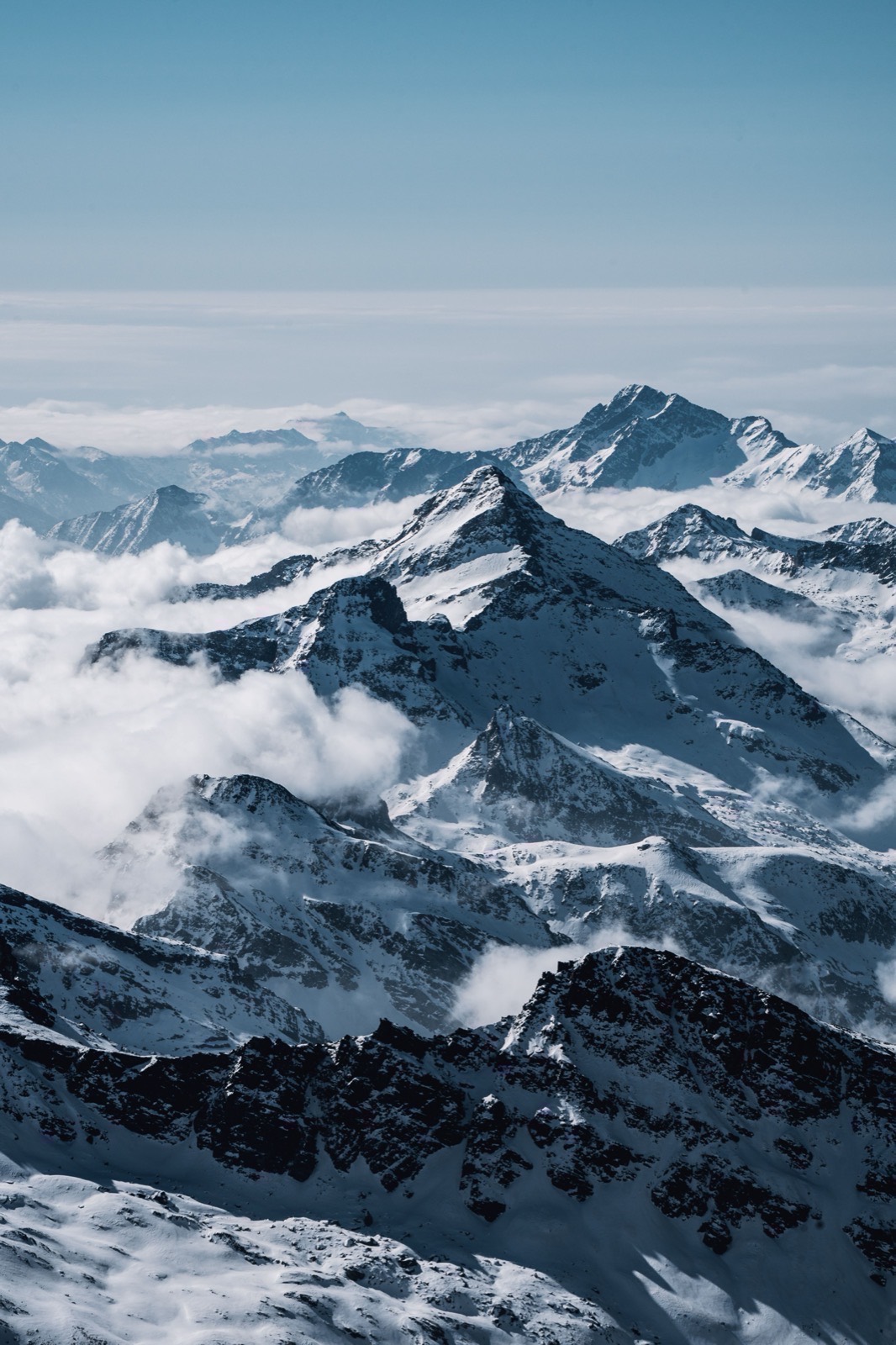
Car-free village beneath the Matterhorn. Glacier runs, fondue evenings, and crisp high-alpine air at every turn. A classic winter ski trip with postcard views from the first lift.
Weather
Spring averages 0–10°C, summer 10–20°C, autumn 5–12°C, and winter −5 to 5°C at Zermatt village level. Ski season runs December–April when glacier runs stay reliable even if lower resorts struggle. Valley fog can linger while peaks sit in brilliant sunshine. The Klein Matterhorn area holds snow well into spring.
Activities
Ski the vast Zermatt–Cervinia linked area, including glacier runs to 3,883m on the Klein Matterhorn. Non-ski days bring village walks beneath the Matterhorn, ice skating, and cog-railway rides to Gornergrat for panorama views. Après-ski centres on fondue and mulled wine in timber chalets.
Culture
Zermatt is car-free — electric taxis and horse carts move guests through cobbled streets. Swiss precision meets mountain pragmatism: lift queues are orderly, and mountain restaurants run like clockwork. German is the local language; French and English are widely spoken in hotels.
Natural history
The Matterhorn is a pyramidal peak of gneiss and limestone thrust upward by Alpine orogeny, famously first climbed in 1865. Glaciers including the Gornergrat system feed the ski domain. Ibex and chamois appear on high rocky slopes above the tree line.
Local food
Fondue and raclette are obligatory — melted cheese with bread and pickles in cosy stube restaurants. Try älplermagronen (Alpine pasta) and air-dried Bündnerfleisch. Zermatt bakeries do excellent nusstorte (caramelised nut tart) for slope picnics.
Fun fact
The Matterhorn straddles the Swiss–Italian border — you can ski from Zermatt into Italy's Breuil-Cervinia without showing a passport, thanks to the open ski area.
- Fly into: Geneva (GVA)
- Day 1: Scenic train to Zermatt, settle in
- Day 2–5: Klein Matterhorn glacier skiing
- Day 6–7: Village walks, fondue, final runs
- Est. total: ~$3,200