Tombstone Territorial Park
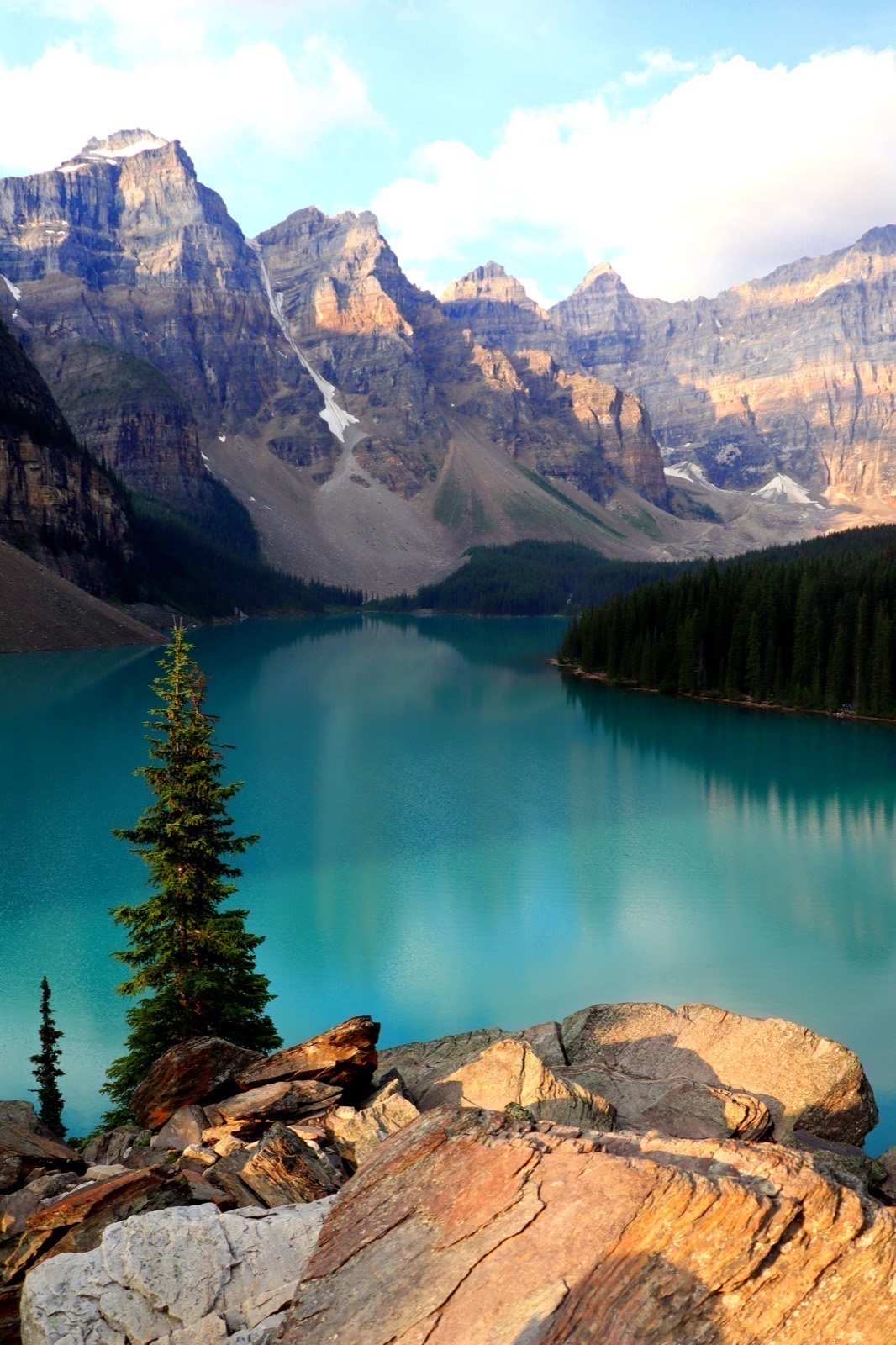
Jagged black granite peaks rise over golden tundra in the Yukon’s far north. Hike in to Grizzly Lake beneath the spires, watch for caribou and bears, and camp under a sky that barely darkens in high summer.
Weather
Spring averages −10 to 2°C, summer 10–20°C, autumn 0–10°C, and winter −30 to −15°C in Tombstone. This summer trip hikes under near-24-hour daylight with cool nights. Snow can linger on passes into June. Afternoon thunderstorms build over the granite spires.
Activities
Drive the Dempster Highway into the park and hike the Grizzly Lake backcountry route beneath jagged peaks. Watch for caribou, grizzly bears, and Dall sheep on ridge trails. Interpretive day hikes from the Tombstone campground fill shorter weather windows.
Culture
The Yukon is Canada's frontier — Dawson City preserves Klondike gold-rush history en route. Tombstone is a territorial park with strict bear-country protocols. Whitehorse is the supply hub; self-sufficiency is expected on backcountry routes.
Natural history
Tombstone's black granite spires rise from golden tundra in a landscape shaped by permafrost and Ice Age glaciation. The park sits in the Ogilvie Mountains at the edge of the Beringia refugium. Caribou migrate through; grizzlies forage the valleys in summer.
Local food
Whitehorse and Dawson City restaurants serve bison burgers, Arctic char, and sourdough pancakes. Backcountry meals are self-catered — pack dehydrated dinners and trail snacks. Dawson's sourdough saloon culture is a post-hike tradition.
Fun fact
Tombstone's peaks are so sharp and dark they were named for their resemblance to graveyard headstones by early prospectors on the Klondike trail.
- Fly into: Whitehorse (YXY)
- Day 1: Klondike Highway to Dawson City
- Day 2: Dempster Highway into Tombstone
- Day 3–4: Grizzly Lake backcountry route
- Day 5: Interpretive + ridge day hikes
- Day 6: Return to Whitehorse, depart
- Est. total: ~$3,100