Svalbard Arctic Expedition
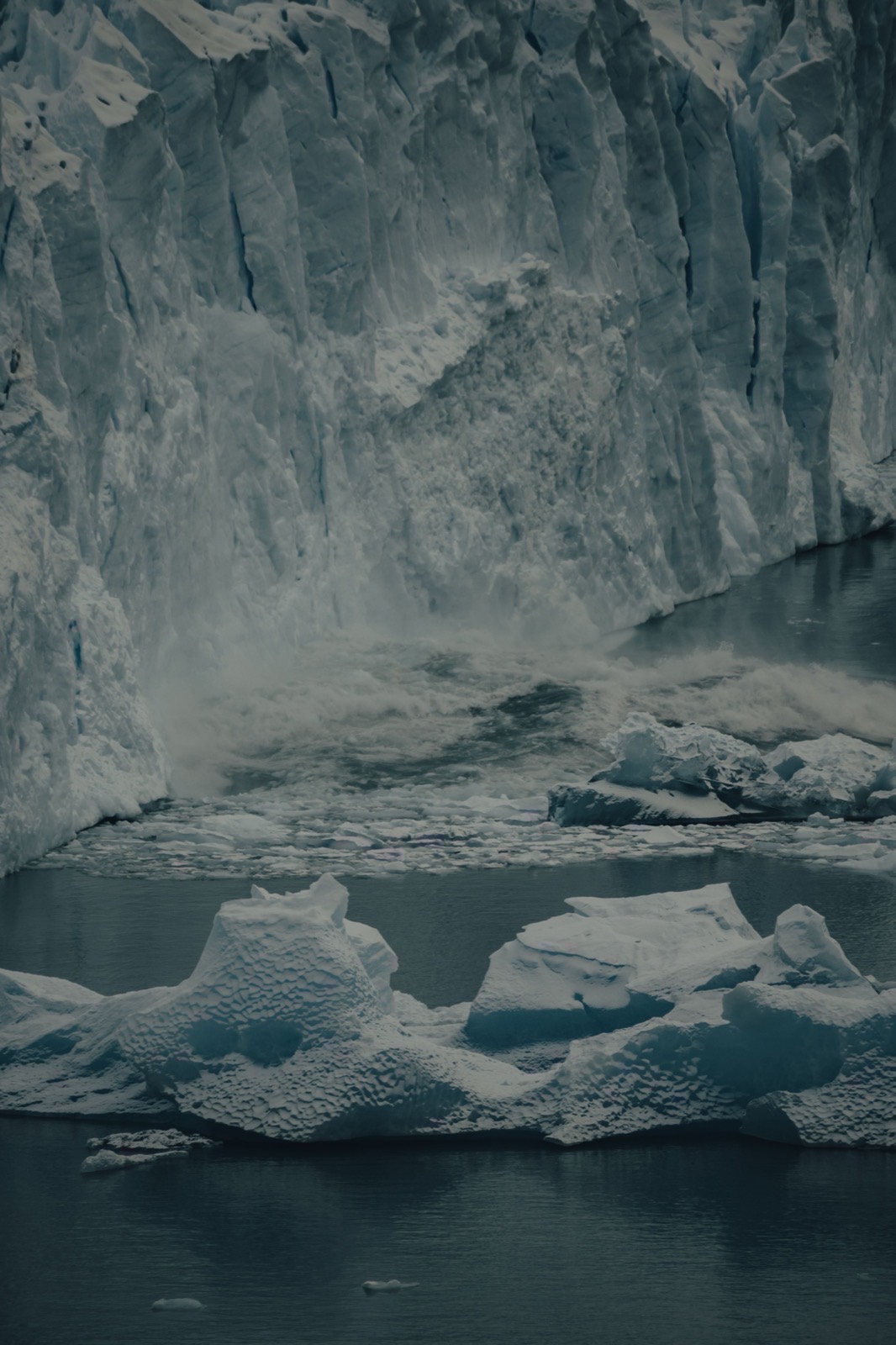
Longyearbyen is about as far north as you can fly. Snowmobile across frozen valleys, crawl inside a glacier ice cave, and watch for arctic wildlife under a sky that stays dark or glows with polar-night blue.
Weather
Spring averages −10 to −2°C, summer 2–8°C, autumn −5 to 2°C, and winter −20 to −10°C in Longyearbyen. Polar night blankets winter; blue twilight replaces full darkness. This winter expedition runs in the coldest, darkest months. Avalanche and glacier protocols govern all off-town travel.
Activities
Snowmobile across frozen valleys to glacier fronts and Arctic viewpoints. Crawl inside a blue ice cave beneath the glacier with a guided team. Wildlife spotting targets Svalbard reindeer, Arctic foxes, and occasionally polar bears near town perimeters.
Culture
Longyearbyen is a mining-turned-research outpost of roughly 2,400 people — no births allowed in town (no hospital). Everyone removes shoes indoors; rifles are common outside the settlement for polar bear safety. Norwegian law applies; English is widely spoken.
Natural history
Svalbard sits halfway between mainland Norway and the North Pole, with 60% glacier cover. Polar bears outnumber people; reindeer and Arctic foxes forage the tundra. Permafrost and coal seams shape the landscape; midnight sun lasts from April to August.
Local food
Cafés serve reindeer burgers, Arctic char, and warm waffles between excursions. Svalbard Bryggeri brews the world's northernmost beer. Fine dining at Huset pairs Nordic tasting menus with one of the archipelago's largest wine cellars.
Fun fact
It is illegal to die in Longyearbyen — the permafrost prevents body decomposition, so the terminally ill must leave the archipelago.
- Fly into: Longyearbyen (LYR)
- Day 1: Town, polar museum, gear briefing
- Day 2: Snowmobile safari across the glaciers
- Day 3: Ice cave beneath the glacier
- Day 4–5: Wildlife spotting, aurora nights
- Est. total: ~$3,800