Hornstrandir & the Westfjords
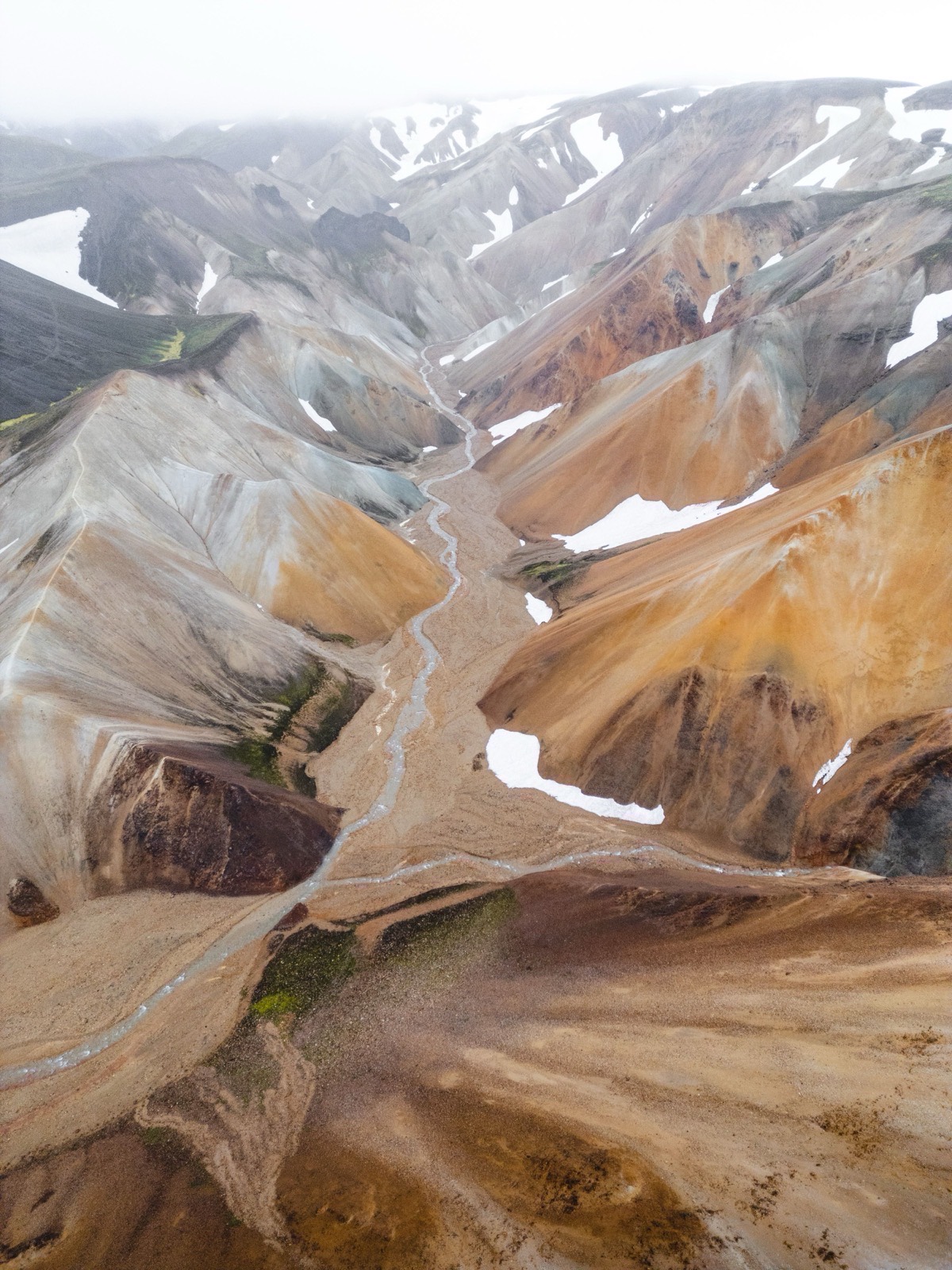
Iceland’s wildest corner. Take a boat into the uninhabited Hornstrandir nature reserve to hike sea-cliff trails loud with nesting birds and home to arctic foxes, then unwind at the Westfjords’ hidden hot pots and Dynjandi falls.
Weather
Spring averages 3–8°C, summer 10–14°C, autumn 4–9°C, and winter 0–4°C in the Westfjords. This summer trip accesses Hornstrandir when boat service runs June–August. The reserve is exposed to Arctic wind and fog. Pack waterproof everything; sunshine is a bonus, not a given.
Activities
Boat into the uninhabited Hornstrandir reserve for multi-day cliff hikes above nesting seabird colonies. Watch Arctic foxes in one of Europe's last wild populations. Return via Dynjandi waterfall and soak in roadside hot pots.
Culture
Hornstrandir was abandoned in the 1950s; only summer hikers and researchers visit now. Ísafjörður is the supply town — stock up on food and fuel before the boat. Strict leave-no-trace rules protect the foxes and bird colonies.
Natural history
Hornstrandir is Iceland's northernmost nature reserve — no roads, no permanent residents, no sheep. Arctic foxes thrive without grazing pressure. Hornbjarg cliffs host thousands of nesting guillemots, razorbills, and puffins each summer.
Local food
You carry what you boat in — dehydrated meals, chocolate, and trail bars from Ísafjörður. Post-hike, harbour restaurants serve cod and lamb soup. Hot pots have no facilities; bring snacks and a cold drink for soaking.
Fun fact
Arctic foxes in Hornstrandir approach hikers curiously — they are protected and have never been hunted here, making them remarkably bold compared to mainland populations.
- Fly into: Ísafjörður (via Reykjavík)
- Day 1: Ísafjörður, provisions
- Day 2: Boat in, Hornbjarg cliff hike
- Day 3–4: Reserve trails, fox watching
- Day 5: Dynjandi waterfall + hot pots
- Day 6: Depart
- Est. total: ~$3,000