Hokkaido Powder
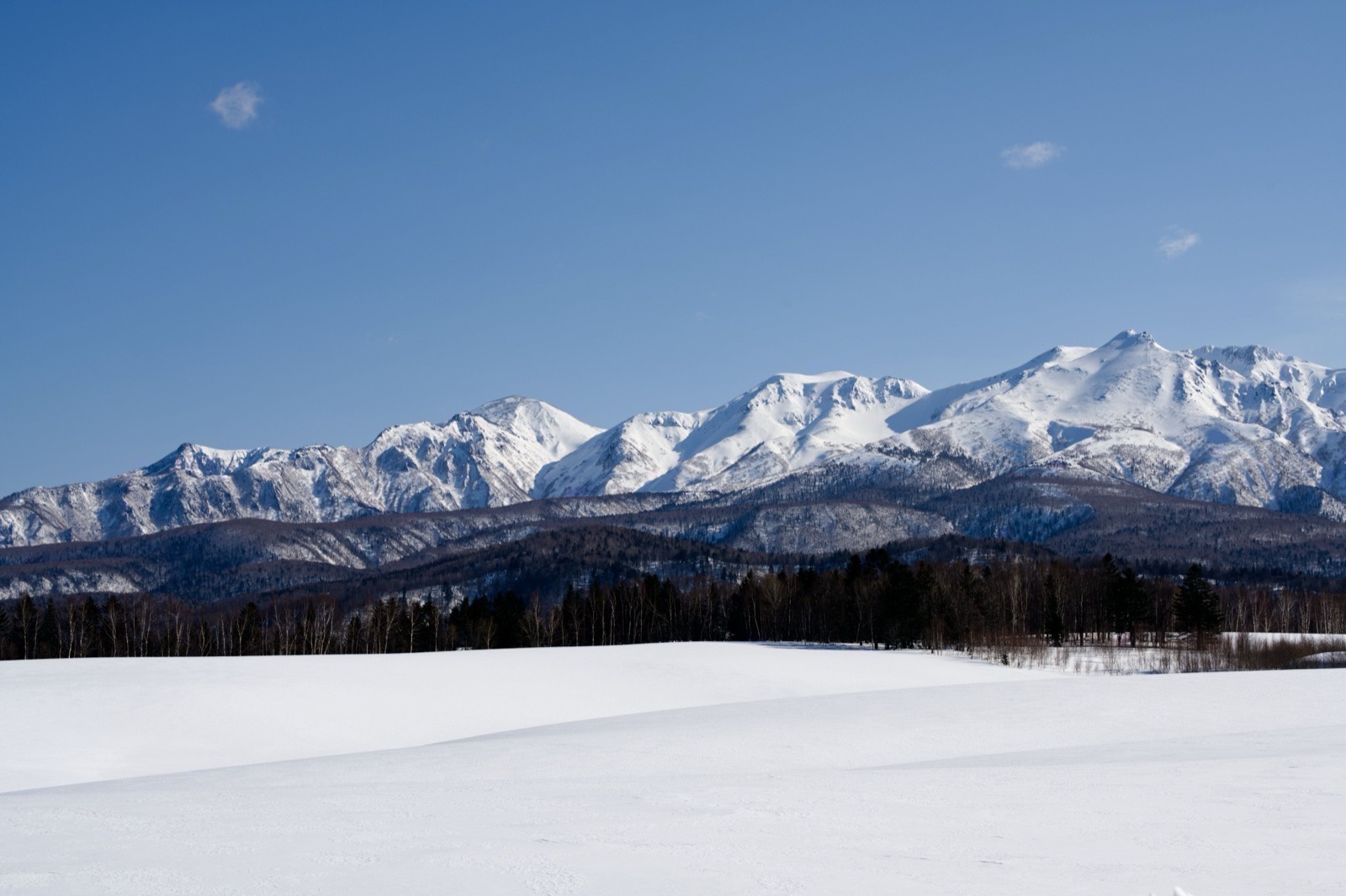
The lightest, deepest powder in the world falls on Niseko night after night. Ski tree runs by day, soak in steaming onsen by night, and eat impossibly good ramen in between, all under the cone of Mt Yotei.
Weather
Spring averages 2–12°C, summer 20–26°C, autumn 8–18°C, and winter −8 to −2°C in Niseko. December through March brings metres of light, dry powder on this winter trip. Storm cycles deliver the famous japow; clear days reveal Mt Yotei's volcanic cone. Wind chill on lift tops requires face protection.
Activities
Ski Niseko United's four linked resorts for tree runs and thigh-deep powder. Backcountry gates and guided tours access steeper terrain when conditions allow. Après-ski means onsen soaks, ramen, and craft beer in Hirafu village beneath the floodlit slopes.
Culture
Niseko has become internationally cosmopolitan while retaining Japanese hospitality — bow, shoe removal, and quiet onsen etiquette apply. Lift staff are efficient and polite; village signage is bilingual. Sapporo day on departure adds urban contrast to mountain days.
Natural history
Mt Yotei is a stratovolcano resembling Mt Fuji, dominating the landscape. Hokkaido's cold Siberian air meets moist Sea of Japan air to create exceptional snowfall. Birch and bamboo forests line the lower runs; foxes and deer inhabit the hills away from the pistes.
Local food
Hirafu ramen shops are legendary after powder days — miso and shio broths with Hokkaido butter corn toppings. Try soup curry, jingisukan grilled lamb, and soft-serve from local milk. Sapporo's seafood markets and beer halls cap the trip on day seven.
Fun fact
Niseko averages over 15 metres of snow per season — among the highest resort snowfall totals on Earth, with powder so light locals call it "Japow."
- Fly into: Sapporo (CTS)
- Day 1: Transfer to Niseko, first onsen
- Day 2–5: Powder days across Niseko United
- Day 6: Mt Yotei views + backcountry taster
- Day 7: Sapporo food day before flight
- Est. total: ~$3,000