Daisetsuzan National Park
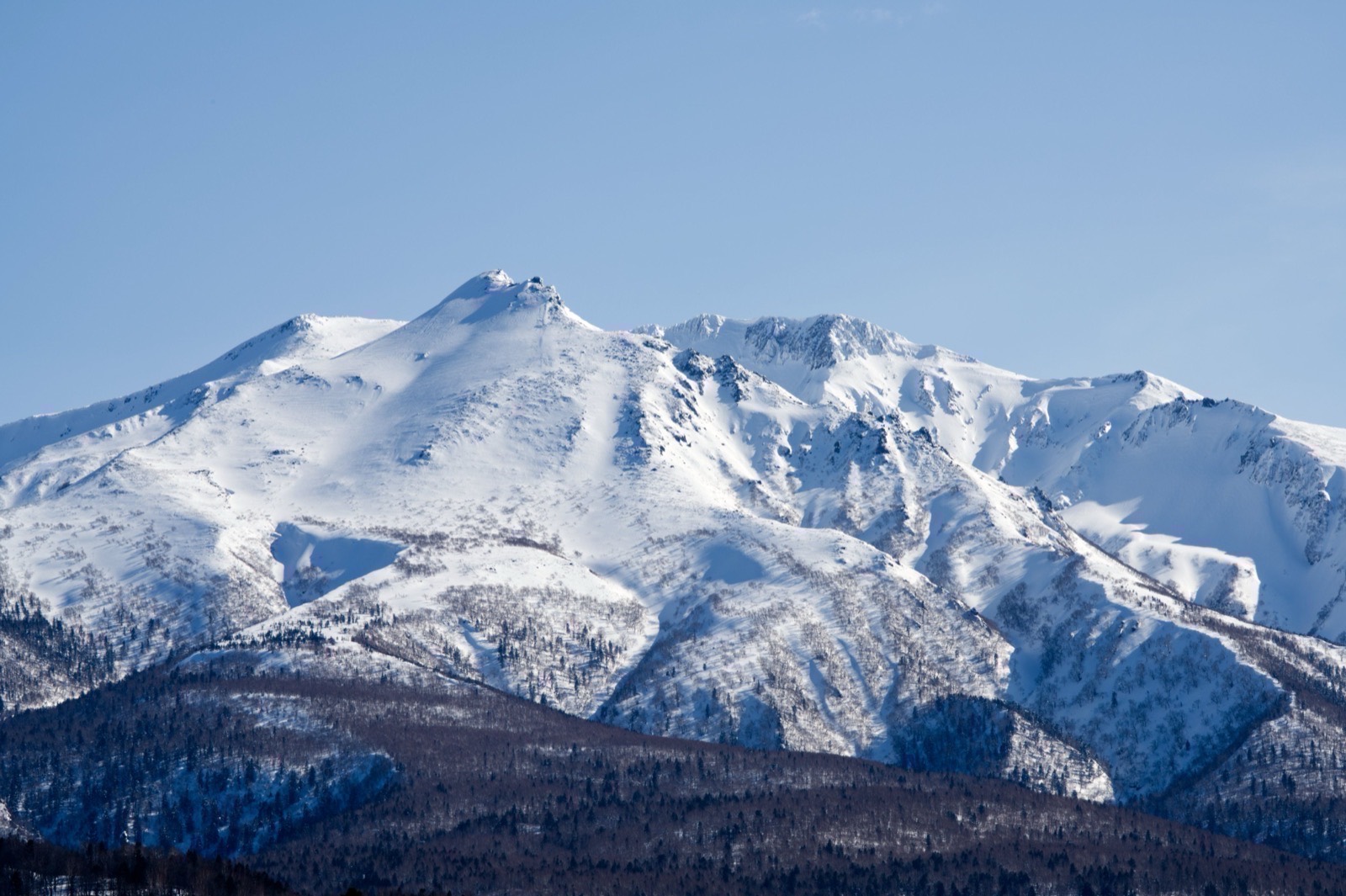
The “roof of Hokkaido” and Japan’s largest national park: volcanic peaks, alpine flower fields, and remote hot springs. Ride the Asahidake ropeway and traverse steaming ridgelines high above the treeline.
Weather
Spring averages 2–12°C, summer 15–22°C, autumn 5–15°C, and winter −15 to −5°C in Daisetsuzan. This summer trip hits alpine flower meadows and volcanic ridgelines. Weather above the treeline changes hourly. Sounkyo gorge is cooler and wetter than Furano's rolling hills.
Activities
Ride the Asahidake ropeway and hike volcanic summits across steaming ridgelines. Traverse Kurodake and explore Sounkyo gorge waterfalls. Combine with Furano lavender fields for a gentler day between mountain hikes.
Culture
Daisetsuzan is sacred to the Ainu as Kamui Mintara — the Playground of the Gods. Hokkaido's outdoor culture is less formal than Honshu's; onsen soaks follow most hiking days. Asahikawa is the gateway city for supplies and ramen.
Natural history
Daisetsuzan is Japan's largest national park — a volcanic massif with active fumaroles and alpine tundra. Asahidake still vents sulphur steam. Brown bears inhabit the forests; bell bears are recommended on remote trails.
Local food
Asahikawa is famous for soy-sauce ramen — eat a bowl before heading to the mountains. Sounkyo onsen hotels serve kaiseki dinners with Hokkaido crab and mountain vegetables. Furano farm cafés do lavender ice cream in July.
Fun fact
Daisetsuzan means Great Snowy Mountains in Japanese — snow can fall on the peaks in any month, earning it the nickname "the roof of Hokkaido."
- Fly into: Asahikawa (AKJ)
- Day 1: Sounkyo onsen + gorge
- Day 2: Asahidake ropeway + summit
- Day 3: Kurodake traverse
- Day 4: Waterfalls, alpine flower meadows
- Day 5: Furano lavender + rolling hills
- Day 6: Depart
- Est. total: ~$2,600