Bornholm Coastal Path
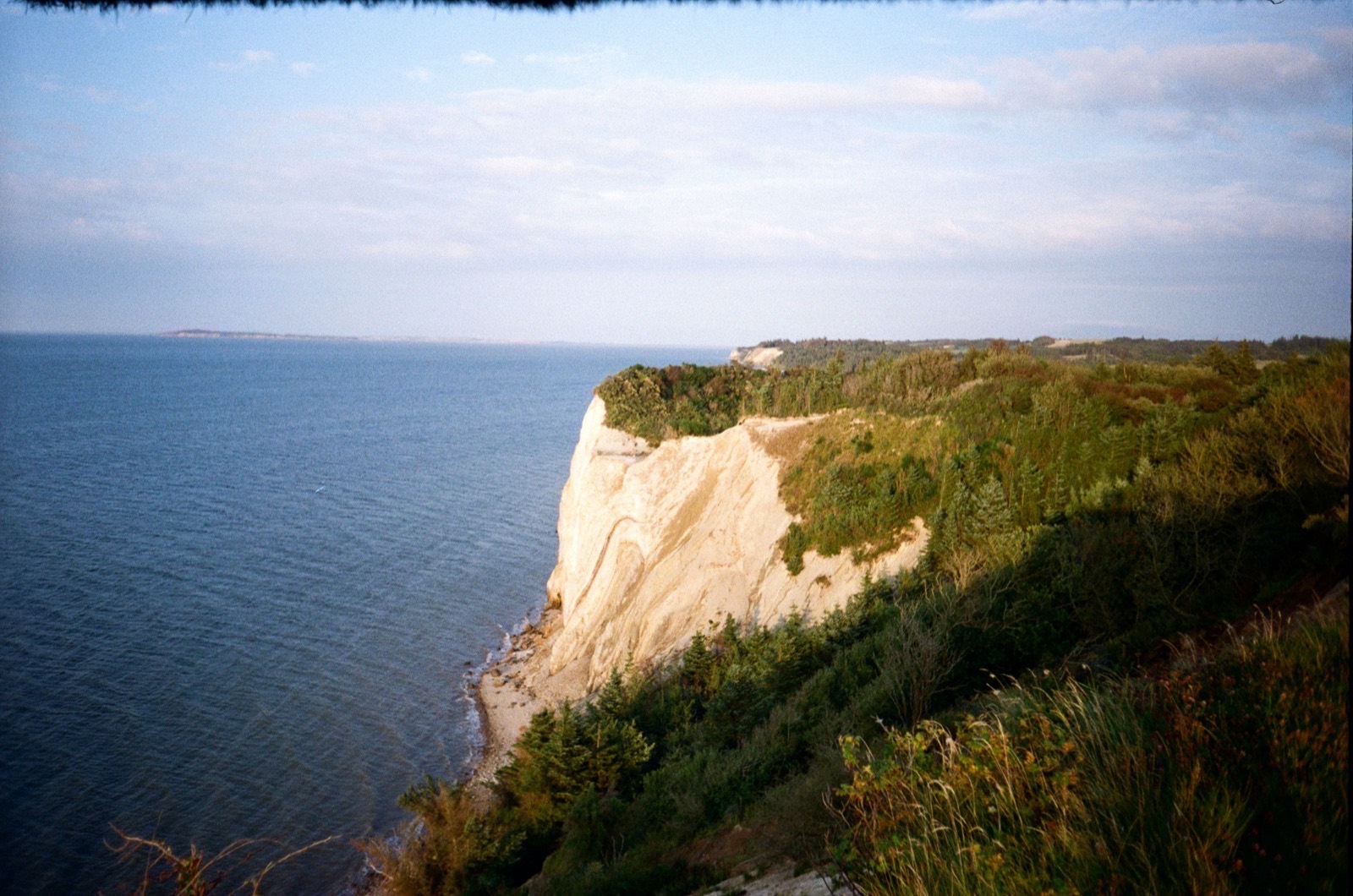
The Baltic “sunshine island” is ringed by a coastal path (Kyststien) past granite cliffs, hidden coves, and the ruins of Hammershus, northern Europe’s largest castle. Smoked herring, round churches, and long light-filled days.
Weather
Spring averages 6–12°C, summer 16–22°C, autumn 10–16°C, and winter 0–6°C on Bornholm. This summer coastal walk enjoys long Baltic daylight and mild temperatures. Bornholm catches more sun than mainland Denmark. Coastal wind cools cliff-top sections.
Activities
Hike the Kyststien coastal path past Hammershus castle ruins and Helligdomsklipperne granite cliffs. Walk Gudhjem to Svaneke along fishing harbours and round churches. Finish at Dueodde's white-sand beach on the southern tip.
Culture
Bornholm sits closer to Sweden than Copenhagen, with a distinct island identity. Round churches, smokehouses, and pottery workshops dot the coast. The island ferry from Ystad or Copenhagen is part of the journey ritual.
Natural history
Bornholm is a granite island thrust up from the Baltic — Hammershus is northern Europe's largest castle ruin. Helligdomsklipperne cliffs rise 22 metres from the sea. The Almindingen forest is Denmark's third-largest woodland.
Local food
Bornholm is famous for røget (smoked herring) from harbour smokehouses in Hasle and Allinge. Sol over Gudhjem (egg on smoked fish) is the island's signature dish. Svaneke breweries and chocolatiers reward coastal walkers.
Fun fact
Bornholm receives over 1,800 hours of sunshine per year — earning it the nickname "Denmark's sunshine island" despite lying at 55°N.
- Fly into: Copenhagen (CPH) → ferry
- Day 1: Rønne, settle in
- Day 2: Hammershus + Helligdomsklipperne cliffs
- Day 3: Gudhjem → Svaneke coastal path
- Day 4: Dueodde beach, depart
- Est. total: ~$1,500