Antarctic Peninsula
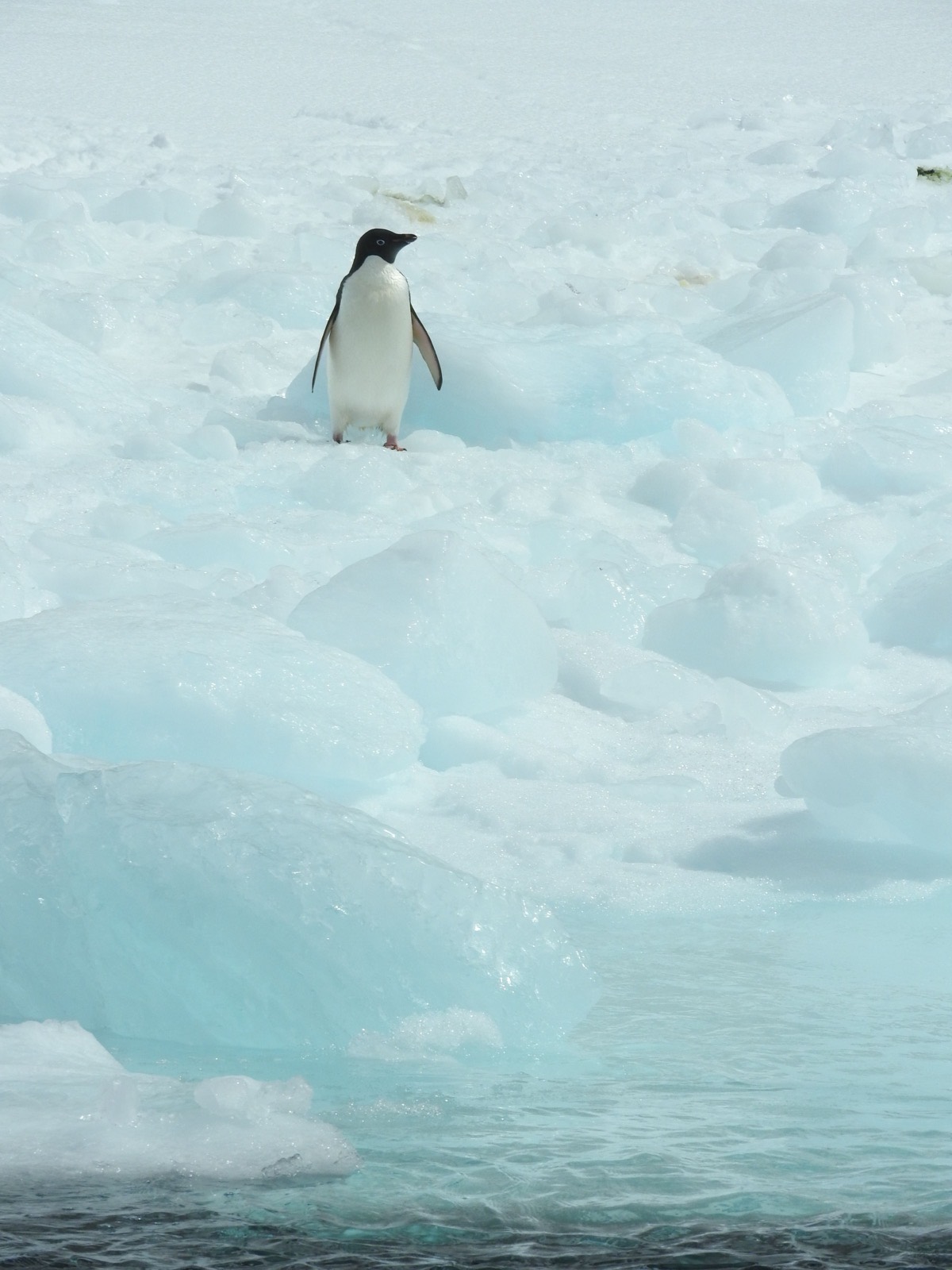
The ultimate cold-tourism journey. Sail from Ushuaia across the Drake Passage to a continent of blue ice, cruise between icebergs by zodiac, and step ashore among penguin colonies while whales surface nearby.
Weather
Austral spring averages −2 to 4°C, summer 0–8°C, autumn −5 to 0°C, and winter −20 to −10°C on the Antarctic Peninsula. Expeditions sail November–March when pack ice retreats enough for landings. The Drake Passage can be brutal or eerily calm. Layered expedition gear handles wind, spray, and sudden temperature shifts.
Activities
Cross the Drake Passage by ship, then make daily zodiac landings at penguin colonies and glacier fronts. Kayak among icebergs when operators offer it. Onboard naturalists lecture on ice, wildlife, and exploration history between shore excursions.
Culture
Antarctica has no permanent human culture — expedition life is shipboard routine governed by IAATO environmental protocols. Crew and guides come from dozens of countries united by polar expertise. Silence ashore is broken only by penguin calls and cracking ice.
Natural history
The peninsula is a continuation of the Andes, now buried under ice and separated by Drake Passage. Gentoo, chinstrap, and Adelie penguins nest in vast colonies. Humpback and minke whales feed in krill-rich waters; leopard seals patrol the floes.
Local food
All meals are shipboard — expedition vessels serve hearty buffet and plated dinners with international menus. Ushuaia pre- and post-trip offers Argentine asado, king crab, and craft beer in the world's southernmost city.
Fun fact
Antarctica holds roughly 70% of Earth's fresh water as ice — the peninsula is the most accessible slice of the continent, yet fewer people visit per year than attend a single major football match.
- Fly into: Ushuaia (USH), then board ship
- Day 1–2: Drake Passage crossing
- Day 3–8: Zodiac landings, penguin colonies
- Day 9–10: Return crossing, onboard talks
- Day 11: Disembark in Ushuaia
- Est. total: ~$9,800